Men of Stone – The ‘Menhir’ or Statue Stele of Lunigiana, Tuscany, Italy

•November 19, 2012 • 8 Comments

A dormitory on wheels. That is how I often describe my groups. Hold on, I love them (almost all of them) really, but on the long bus journeys it is often thank goodness – or perhaps not goodness, but thanks instead to pure espresso in the veins that the driver and, less crucially so, myself, who are awake. I once calculated that a driver friend of mine had made the equivalent of 4 and a half return trips to the moon during his career, driving his bus. As for me, it is more than once I have made the three to four hour journey from Florence to Rome, let’s say.

When the somewhat predictable conversation about hotels, groups, money, traffic and weather runs out – as it does increasingly rapidly after twelve seasons in my case, there remains little else to do but look straight ahead. The view from the ‘suicide seat’ as I call the position reserved for us guides is second to none of that there is no doubt. So on such occasions there are two things I look at; car registration plates (my girlfriend, as I seem not to be able to switch this off and often point them out even when not on duty- calls me the Rain Man of number plates and I really feel for her) and road signs.
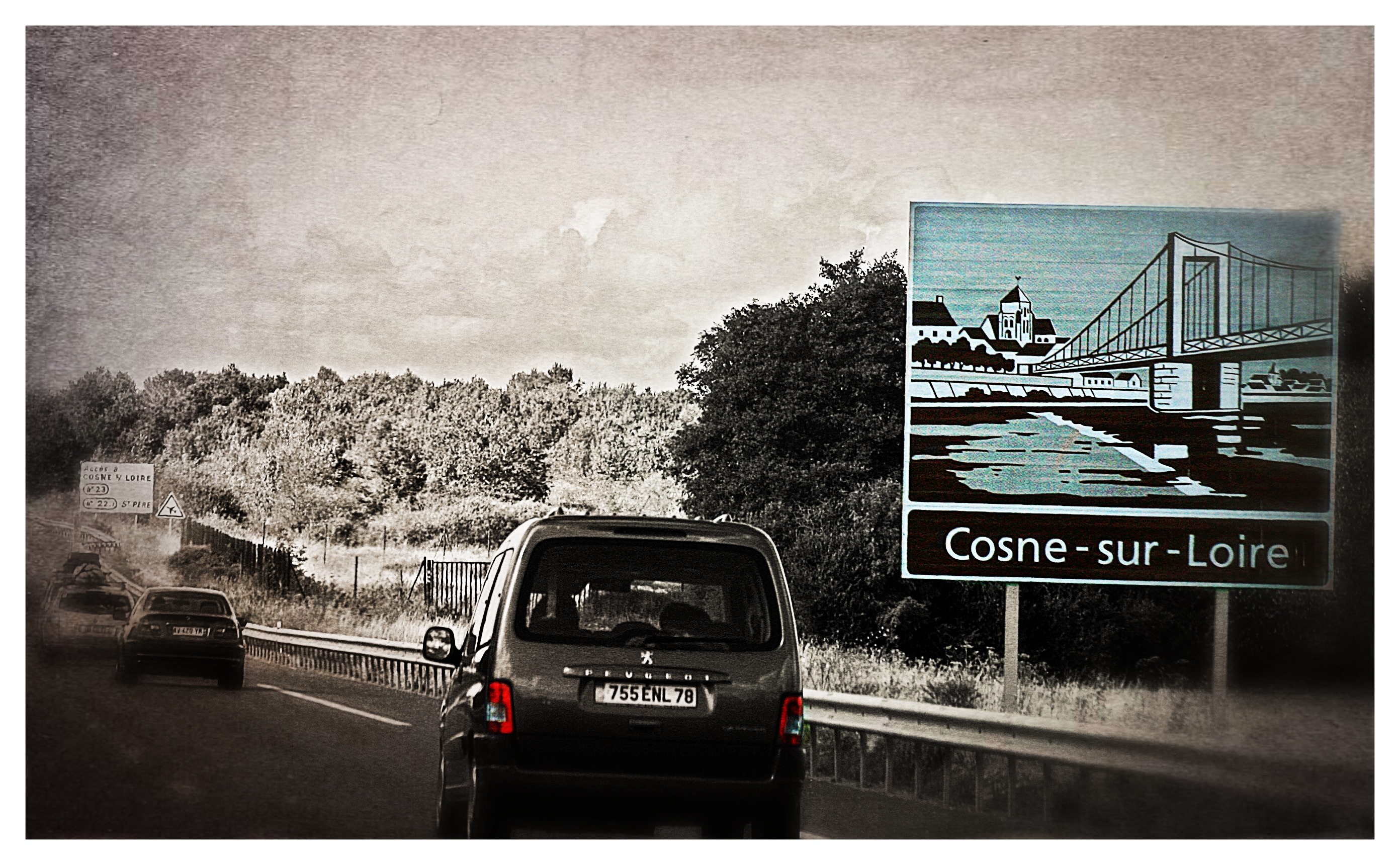
How Could You Resist? Advertising Detours…

Travelling thousands of miles on European motorways each year my favourite have come to be the brown tourist signs that appear a few miles prior to their corresponding exit. Know the ones I mean? Especially in France, they seem to go in for them in a big way, but Italy has them too. In the UK we are a little behind. Hmmm… They give a name, show a drawing of the place and in effect advertise exiting at the next opportunity. Battle fields, lakes, museums, historic towns, even nuclear reactors and one for acorns, they lure us drivers to divert from the Tom-Tom and do some real travelling.

This summer, being a virtual commuter between the rather cut-off and certainly little known, Lunigiana part of Tuscany, Italy and Livorno, I have passed ten or so such signs on each journey. One has a rather scary clown (Viareggio, famous for its carnival) but one an all together more enigmatic, mysterious and enticing face. It shows a smiling mouth (much more mystic than the one in the Louvre) and two eyes staring out from a semi-circular carved stone. Its message is ‘welcome to the Lunigiana’ and much like the place, most who pass the sign and pass the area, have no idea about either.
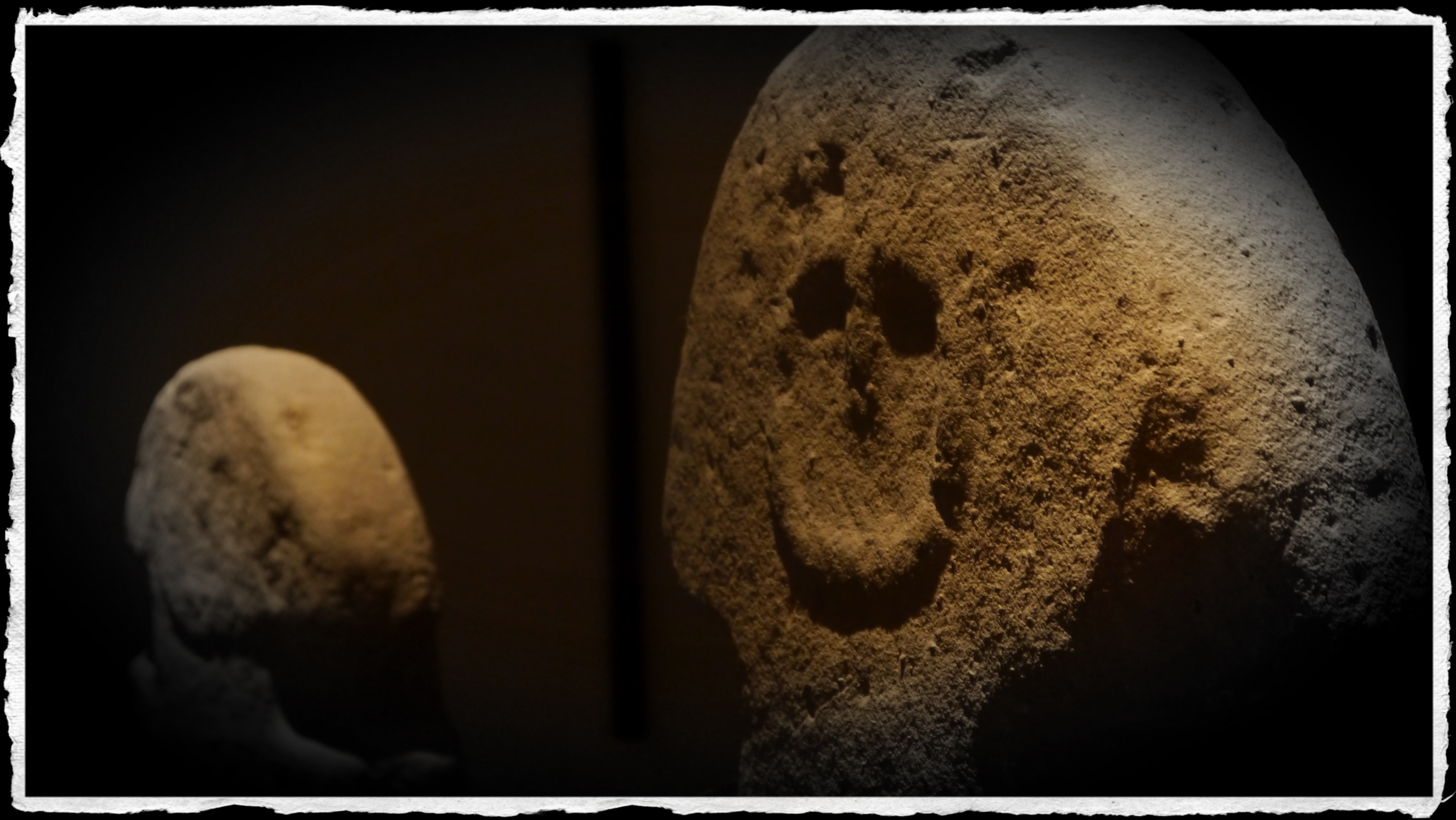
The Man With The Mystic Smile, 4700 Year Old Man of Stone, Statue Stele

Drive past as many times I as did and I challenge even the most ‘highlights of Europe in ten days’ tourist to wonder who this chap is (of course by definition they would only pass once, and most likely asleep when doing so). However, this is Europe in November. It is quiet. Most of my readers are now back in the states, the cruise ships have stopped docking and until March or so, we have the place to ourselves. Now is the time to discover real Europe, the villages, restaurants, museums, we don’t have time for in the peak season. Now is the time to discover the Statue Stele Lunigianesi- the mysterious ‘men of stone’.

To do so, travel to Pontremoli deep in the heart of the Lunigiana, in the valley of the Magra river, just off the the A15 motorway which cuts across and through the Apennines on its way from La Spezia to Parma. Park in the old medieval square and climb up – counting funky painted benches as you do – to the beautifully situated Castello del Piagnaro, in which you will find Il Museo delle Statue Stele Lunigianesi. The castle traces its origins back to the 10th Century, is located above the Via Francigena – the ancient pilgrim route – and was for centuries been defined as the ‘key to the door of Tuscany’. Since 1975, it has been the home to these mysterious men of stone.
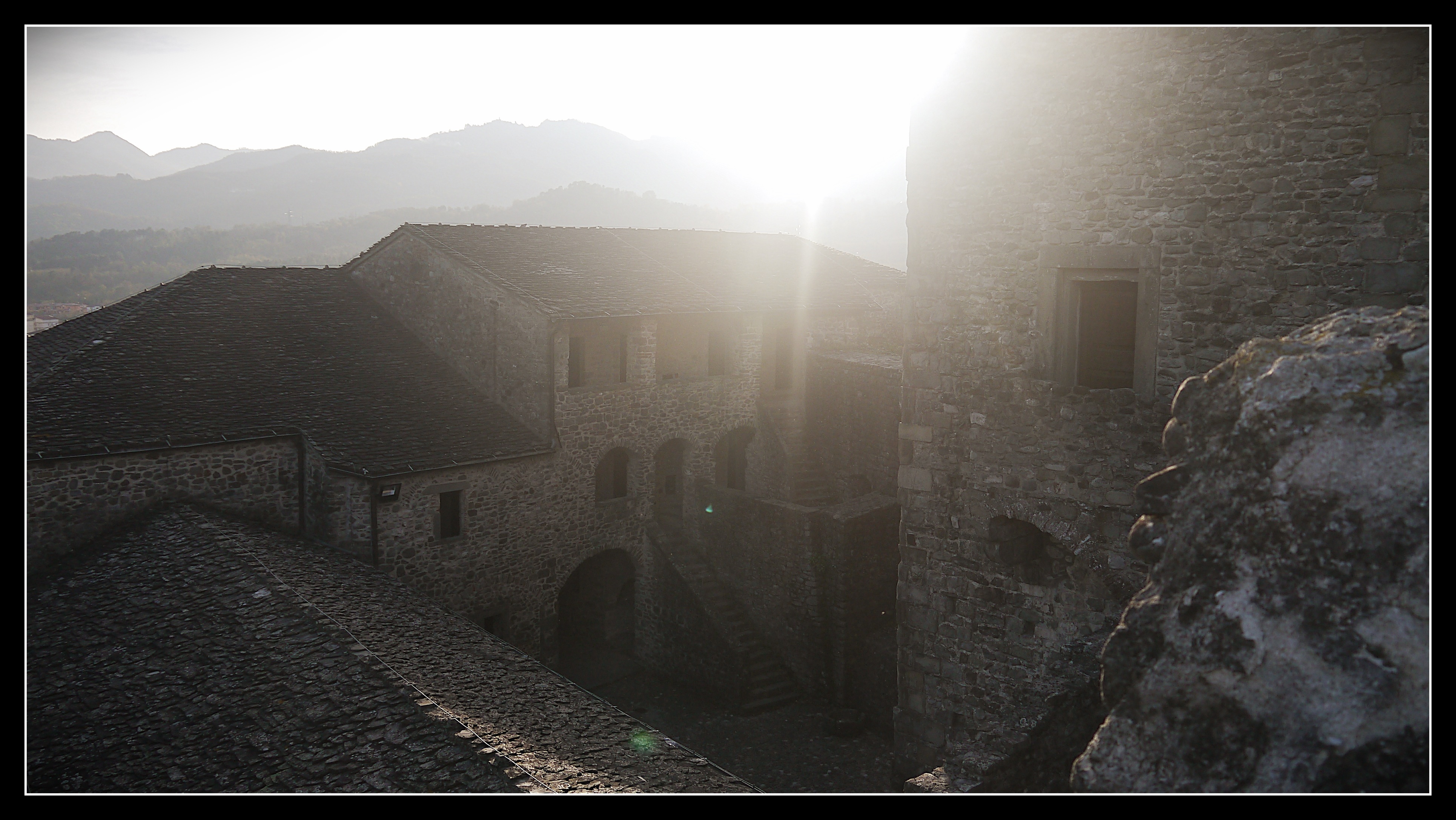
Castello del Piagnaro – High Home of The Men of Stone

The visit splits into two – a stroll around the impressive castle with wonderful vantage points of the whole Magra valley and back up to the Apennines in the distance. The one time military significance of the Castello del Piagnaro is immediately obvious. I recommend the extra one euro for the audio-guide – as little or nothing is labelled in English. Then, the museum. Now most museums I visit for work are huge. In fact the more huge the more they like to say just how huge they are. The Louvre, the Vatican, the British Museum. Guides love facts like ‘if you spend just 30 seconds in front of each exhibit, you’ll be here six months’. If you were to do so in this museum, you’ll be out about 10 minutes later.

Disappointing? Well perhaps at first, but then you actually stop and appreciate each and every one of these remarkable stone statues. No one know really knows why they exist, what they represent or even with any great certainty who made them. Some are more than 4700 years old. That’s old, very old. Are they commemorative, funeral statues, used by druids for sacrifice, erected by giants who roamed the earth before a legendary flood? We don’t really know. It is estimated that in Northern Europe alone there were once more than 50.000 of these stone men – and women!
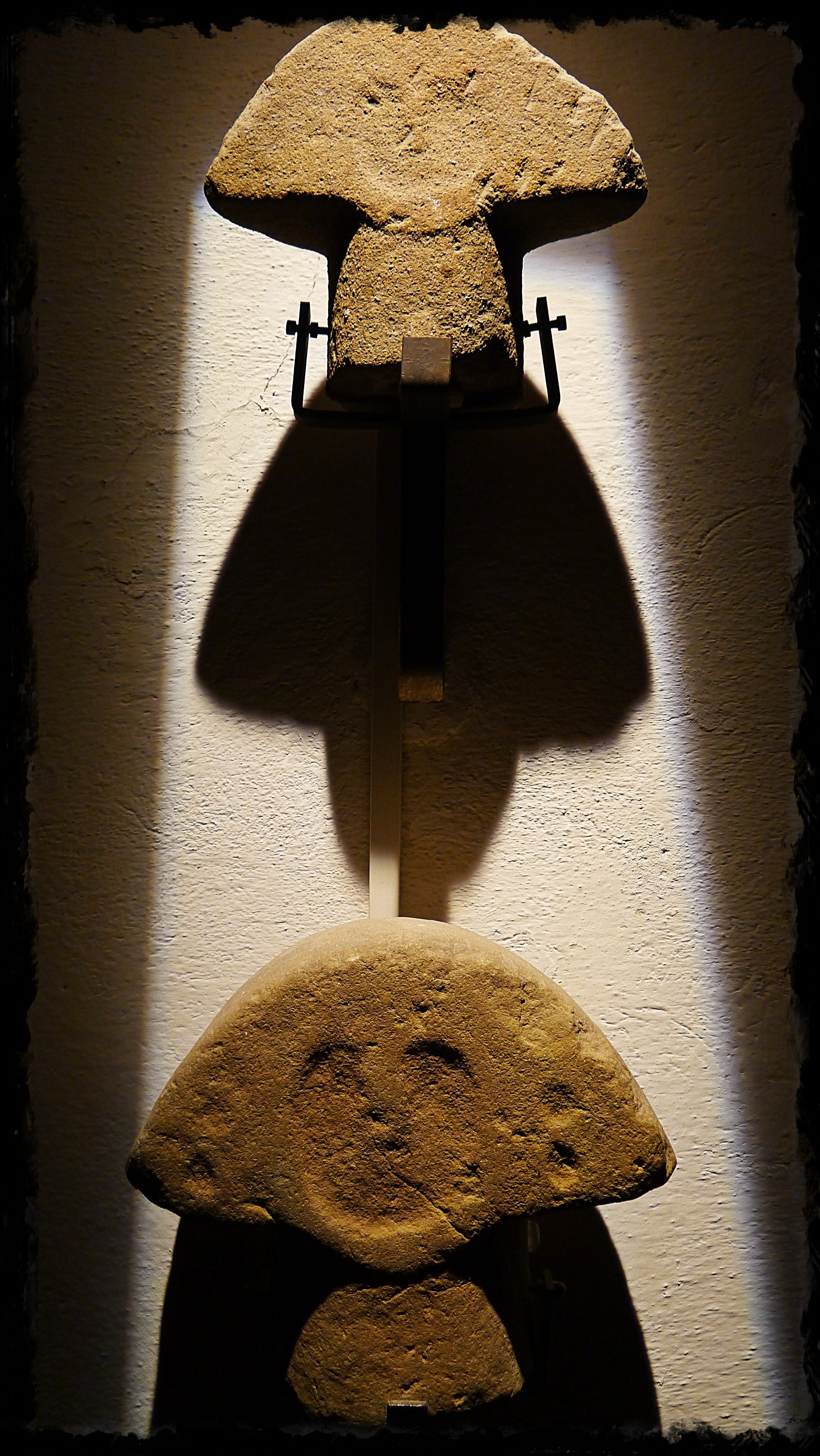
If Only He Could Speak…

For there are women too. Carved from hard stone – sometimes so hard the workmen gave up and left them incomplete, they were carved to last. Women are represented by small spherical breasts, men have extremely detailed daggers or axes, sometimes sheathed, sometimes not. We know a little of these weapons from corpses found frozen in the high Alps. Most were found during agricultural works in and around the villages and hills surrounding Pontremoli. Whatever their purpose or age, early Christians felt significantly threatened by them to decapitate many of these stelae and we are lucky to have these fee survivors.

The two or three rooms and the accompanying panels are atmospherically lit and you can be virtually sure to not share the place with too many tourists – I was alone the whole time. Staring into the eyes of these remarkable creatures in search of a glimpse of understanding is really quite trippy. If only they could talk, what they must have seen. Just like their modern cousin on his brown motorway sign, who sees thousands of cars pass each day, they must have so many stories to tell. Divert up the A15 to Pontremoli and maybe just maybe the Menhir of the Lunigiana will speak to you.
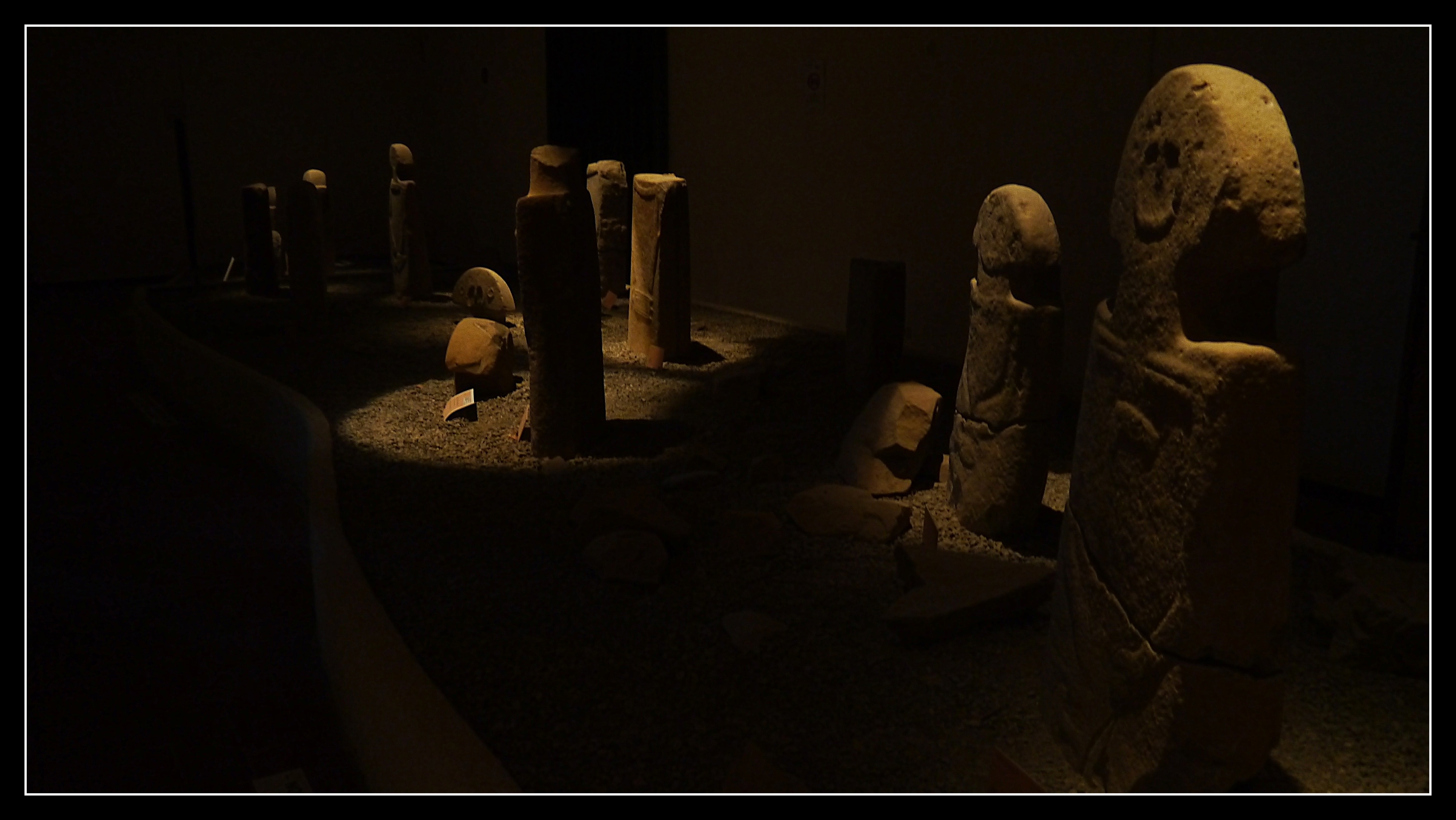
The Men of Stone of Lunigiana

For details of the museum as well as opening times and costs see Museo Delle Stele Lunigianesi.

My travels now take me away from the Lunigiana. This little corner of Tuscany has truly captured a piece of my heart as I have spent spring, summer and autumn here this year. I will return next year, but in the mean time if you are keen to learn more or explore the are I suggest this great blog Ciao Lunigiana.
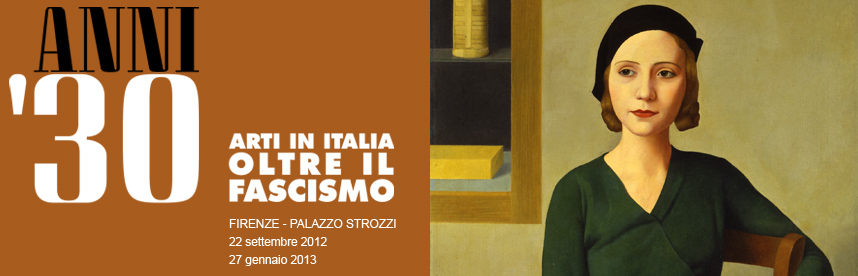
Sunday Morning Ramblings – Palazzo Strozzi Florence Italian Fascist Period Art Exhibition

•November 6, 2012 • Leave a Comment

Not all those who wander are lost

– J.R.R. Tolkein

And indeed I was not entirely lost as I wandered the streets of Florence this Sunday morning. I knew I was strolling somewhere between the ancient political centre represented by Piazza della Signoria and the religious one, the focus of which was the magnificent Santa Maria del Fiore – or duomo. Perhaps embarrassingly so for a Tour Guide, that was the extent of my knowledge however. As a ‘Tom-Tom’, which is increasingly becoming my nickname by my tour groups, I would certainly have been of little use. Therefore the enormous arched entrance that opened up on my right suddenly only to reveal itself as the entrance to a famous Florentine landmark I probably ought to have known to be precisely there, was in fact a surprise. On these occasions things tend to just happen and I am only to happy to let them do so.

The 30s Arts in Italy Beyond Fascism

Strolling around semi-lost, like those moments when driving and the GPS onboard navigator shows the little red arrow dithering in a sea of grey, reference points framing the left and right of the screen, but how to reach them unclear, is a favourite pastime of mine when travelling. And you need not be abroad to be travelling like this. Just walk. ‘The beauty is in the walking – we are betrayed by destinations’ said Guy Thomas and throughout my career it has been on these ambles with no particular destination in mind that the best experiences have revealed themselves to be lying in wait.

Recently accompanying L to Florence for work, I have more and more frequently had the opportunity to stroll the streets of what after every such occasion leaves a new impression and in doing so edges this city ever closer to the top of the no doubt somewhat pointless ranking of ‘my favourite cities’. These occasions, left to my own devices to entertain myself for three or four hours have become appointments I truly look forward to. I have ‘discovered’ the amazing La Specola Museum with its incredible wax anatomy studies, The Galileo Museum, complete with at least one of the great man’s fingers and on this occasion, my strolling had lead me through the archway of the large, beautiful courtyard of the Strozzi Palace.

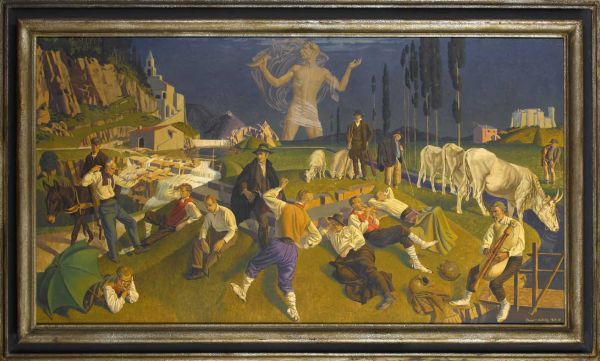
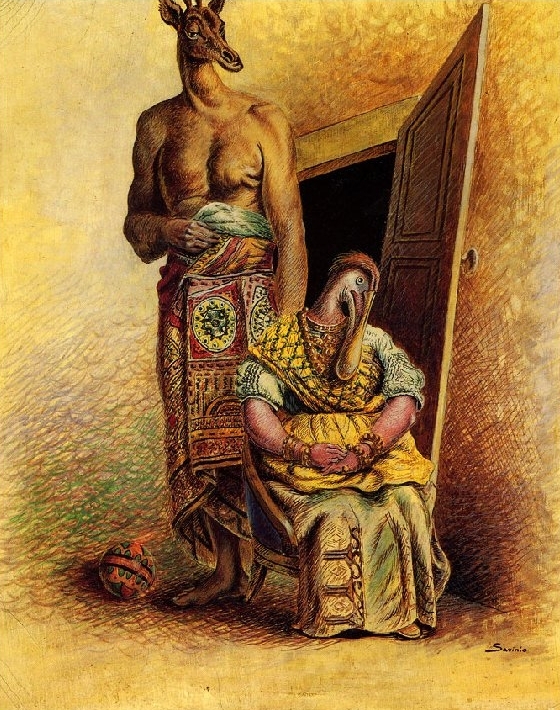
The Departure of The Prodigal Son – Alberto Savinio

The Strozzi family was thorn in the side of the ultimately triumphant Medicis (the Strozzi’s were forced into exile before returning to Florence and being absorbed by the Medici ‘dynasty’ through marriage) throughout much of the heyday of Florence from the fourteen to sixteen hundreds. They built their magnificent cube-shaped Palace from 1489 onwards. It is in every sense the perfect example of architectural Renaissance one-upmanship. Two sides more than the Medici Palace, more harmonious and of course larger, the palace incredibly remained the seat of the Strozzi family until 1937. The building has following the end of World War II been considered one of the most important centres of temporary exhibitions and is since 2006 is run by the Fondazione Palazzo Strozzi.

Thinking, correctly as it turned out, that a certain local guide, who’s appointment with her private tour had started at that very moment only yards from the magnificent courtyard in which I now found myself, might pop her clients through it, I hovered in the symmetrical shadows of the splendid arches and listened to her as usual fascinating history of the building. The small group moved on, no doubt from this peaceful haven to the throngs clustering round the iconic sites of which this city boasts so many. However, blessed with the fortune of being able to do so, I stayed, bought a ticket and went up the stairs…

Hypnos, God of Sleep – Edward Irvine Halliday

On this day and for several more, one the palace’s three floors above is the home to a much-publicised and indeed commented on – exhibition called, ‘Anni Trenta’ (The 30s – The Arts in Italy Beyond Fascism). Why not then, take this chance opportunity to see it? My feet brought me here after all.

Entering, my attention was caught by the rather captivating stare of a woman. A strange almost challenging melancholy look in her eyes, she looked out from the canvas of a painting by Antonio Donghi from 1932. It is an image I suddenly become aware of having seen repeatedly over past weeks when walking the streets of Florence. This exhibition is a big deal. Many shop and restaurant windows carry its poster. Florence welcomed Hitler if not with open arms, then at least with an open top car and cheering crowds in 1938 for a tour its artistic highlights after the country signed its new Racial Laws. If the collective conscience is still not clear then this exhibition undoubtedly has the subtext of moving things along by painting the 1930s in Italy as a ‘cauldron of creativity where rich experiments were taking place’ as Jonathan Jones, writing in The Guardian described it.

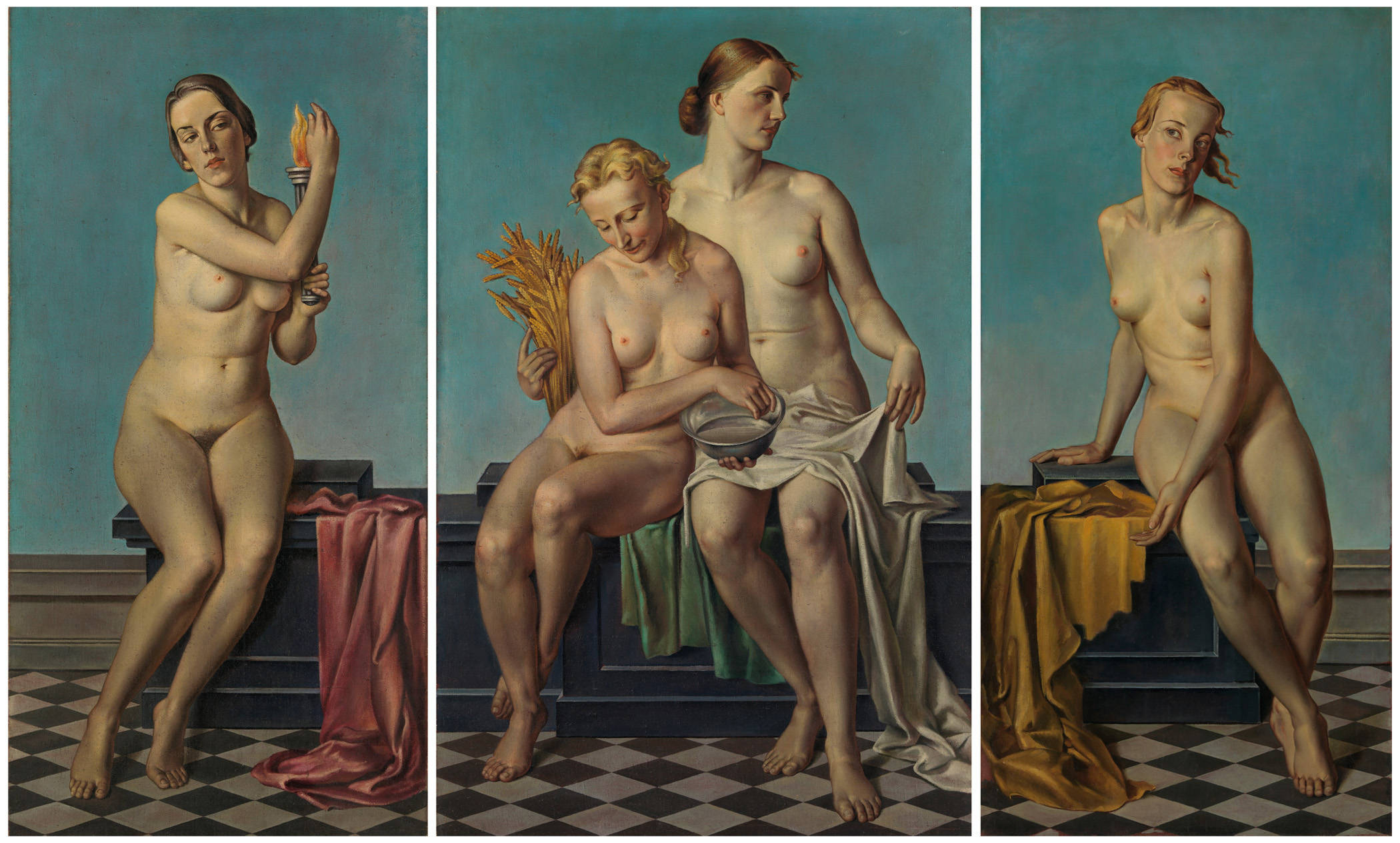
The Fascist Ideal? Adolf Ziegler’s Four Elements

I have seen fascist art exhibitions before and they have generally very quickly metamorphosed into little more than displays of overt propaganda. I was expecting the same. This however, was different. As I walked through the first few halls I could not help but start to once again feel extremely ignorant. For one question kept popping into my head as I looked at painting after painting – where was the fascism? For most of the following hour, and certainly until the paintings post 1938 start appearing I simply ‘didn’t get it’. The artists seemed ‘innocent of fascism’ and may indeed have had other things on their mind. The art is varied, sometimes abstract, no doubt of the vein of futurism, but I did not see fascism. I left a little bemused and with more questions than answers (though this is a good thing). It is in fact not until I started my research for this piece that I was reassured by these words from Michael Glover writing in The Independent; ‘ many artists just got on with it’.

I have to say I also didn’t find much of what is on display to be any ‘good’, with a few notable exceptions. A highlight was seeing Adolf Ziegler’s ‘The Four Elements’, the quintessential representation of the female fascist form. Others, Alberto Savinio, Tullio Crali and Halliday are interesting to me. However the majority of these artists, the futurists, who may initially have shown great promise, did indeed inevitably ‘degenerate into just another arm of the fascist state’. Many pieces are winners of the Bergamo prize, which more than anything epitomised art as a component of a fascist society. Jonathan Jones calls describes the exhibition as ‘a depressing bleak journey through the art of a totalitarian state’. But the paintings not being to my liking, does not detract from the experience and the notching up of yet another discovery.

The Stunning 15th C Strozzi Palace Courtyard

Time is up, Lisa has virtually finished her tour. My research is complete. I am in my Florence ‘office’ or even ‘home’, my beloved Gucci cafe. I am one spremuta and a Muller Thurgau to the wind, I have discovered a beautiful building, learned a little more about something I knew very little and fallen further in love with this great city. I am on the last paragraph of what will be the latest addition to 2nd Cup of Tea. Strolling around, quasi-lost this morning has served its purpose if ever a purpose there was. Walking aimlessly has once more worked a treat…

‘I haven’t got any special religion this morning. My God is the God of walkers. If you walk hard enough, you probably don’t need any other God’

Bruce Chatwin.

2nd Cup of Tea in ‘Bella Compagnia’ – All Thanks to Strawberry Grape Gelato

•October 30, 2012 • 2 Comments

You must try this‘, said Davide and handed me a large gelato.

It’s uva fragola and I made it knowing you were coming‘… Oh my goodness it was delicious. Uva fragola – roughly translates as ‘strawberry grape’. They are a very round, small and extremely intensely flavoured grape, traditionally and semi-illegally (rumour has it they make you a little loopy) turned into a sweet wine in certain parts of Italy. I had never tried it as gelato before, but now I’ll be keeping an eye out.

Uva Fragola – Turns Out A Sensational Gelato Ingredient

Davide, the owner of the Mela Verde Gelateria, arguably the best in Venice, I met just after he opened a few years ago. I was pursuing one of my very favourite pastimes anywhere in the world – getting lost in Venice. I was immediately impressed by his attitude – something I shared – that there was no good gelateria anywhere in the city, despite the millions of tourists. Perhaps the trouble was they know no better?

I have since returned whenever possible, with as many groups as possible. An integral part of being on one of my tours of Italy on which I now insist, is that you need to learn to appreciate the difference between home made – artigianale – gelato and, well…. not! La Mela Verde has become an essential stop on such an educational experience.

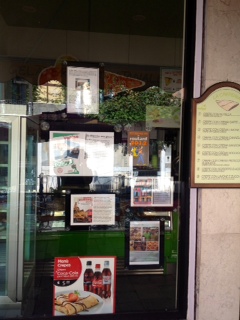
As of some time last year, other guides and with them guide books made the same discovery and reviews started appearing. Young and entrepreneurial, Davide quite rightly started displaying his write-ups on his small shop front. The secret is out. 2nd Cup of Tea was no longer the only place to read about this place.

However my last visit to this gelato heaven saw something I have never seen before. Grown men asking permission of their wives to go back for seconds and the wives themselves, ice cream number one barely finished, following them in. It seems given top quality, real home made gelato, they do know, something I always believed.

Seeing the obvious delight of my clients, Davide, asked permission to add the review from 2nd Cup of Tea to his posters on his window. Asked permission?! Of course he could and so….. he did!

2nd Cup of Tea – Pride of Place

As of this morning, the Mela Verde, best Gelateria in Venice has my review, with my website displayed for all to see, in the ‘bella compagnia’ (good company) as he describes it of Hachette, Routard and Letsgo.com.

Bella Compagnia indeed and I plan to celebrate with a huge gelato the next time there…

Nighthawks

•September 24, 2012 • 5 Comments

I actually cannot reveal where I am.

Or rather I suppose I could of course, but it would not be professional. Certain colleagues and without doubt the establishment itself would not approve. But, in many ways it is irrelevant anyway. This is really just an insight into the life I lead as a Tour Guide. A little shout out to all those who think I am constantly swanning off on holiday. I am not complaining; I love my job and I also do not pretend anyone could possibly know, what it really entails. I am also not depressed. In fact I am happy. In love, but right here, right now in this music filled room, let me try to set the scene…

It is eight minutes past one in the morning. That means I have just entered the nineteenth straight hour of work. In two hours when I will place the last of my clients in a taxi and myself jump in the final of the five we will require to fit us all and get back to the hotel, I will be on less, much less, per hour than minimum wage.

The day began by taking a group of tourists to a museum – one that happens to be my personal favourite in this city – on the way to which one comment to me was ‘you know, no one is going to be interested in this after we just walked past all those shops’.

Little everyday occurances on tour, such as dealing with a stolen wallet – not mine, 3 out of 34 choosing to come to visit my favourite part of town, the remainder opting for shopping, only added to the tiredness I feel currently. And before I can sleep there are still two hours to kill. The wake up call, will be three after that…

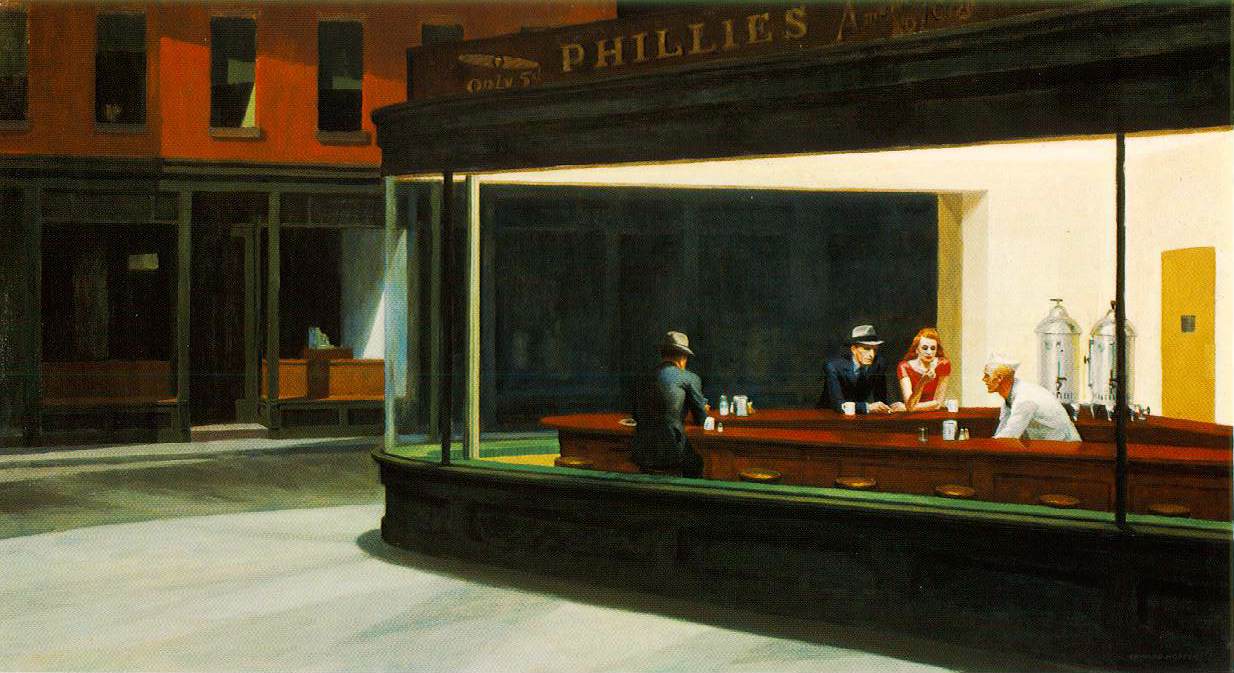
There Really Are Moments When I am That Man…

As I type, I am sitting on a bar stool, by an old computer provided free of charge to us guides. The desk light which would make typing this all the easier, is broken, or rather I suspect no one has bothered to change the bulb in years. So each time as I look from the bright screen to the dark keyboard, it takes my eyes a few seconds to adjust, before I can start typing. The words come fast, but their correct shape is executed slowly as the light makes typing errors frequent.

The feng shui of the room is such that I am right next to the toilet entrance, from which a faint scent of upset tummy is slowly diffusing past me in search for an escape into the cold, wet night I know awaits me and my taxi search soon. Beneath my feet, the blue carpet is sticky, dark and unwelcoming.

The staff are arguing. It seems one waiter is being asked to serve three floors. A security staff, presumbaly none of his business, takes it upon himself to chip in. Does he rank higher? The waiter swears at the boss when he eventually turns up and threatens to quit. Earlier I waited literally one hour for just a simple coke as I was so thirsty. Part of the ‘deal’ is that I do not have to pay to be here or drink that. Perk of the job.

Two Chinese guides are asleep on a couch behind me. They got here early and took the only seats that permit one to sleep. There was a third spare next to them, but they are snoring and the personal space was just too little, despite my desire to set my alarm for 2.00 a.m and join them. Tonight we will all finish late.

I could have had a cheese salad, just as my Indian colleagues at the table in front of me are tucking into. I declined. It was after midnight when they asked for my order. After one when the food arrived. Four Spanish guides are having dinner beneath a huge TV screen which shows 24 hour news. As I look towards their table, they are counting out large bills and dividing them, in four piles. I see green flashes. Hundreds. They call the attention of the over-worked waiter and complain about something. I look at my watch.

An elderly French guide, a lady, by far the most elegant in the room, sits by herself in a corner. She smiles to me and nods. We know. We both know, we know we are tired; we know guests can be tough; we know we are not paid enough – or feel we are not – we know we feel too old for this, for these small hours, we know we could strike up a conversation, but we already know what we would each say and we know we will probably never meet again after later we get on our separate buses and back to room 245, 874, 564 etc. Most of all we know we can never really expect anyone who does not share this dark blue room with us to understand.

And yet we do it. For years, me now 12, we do it. We have long since realised that it is all we really can do. Despite the hours, the stress, sometimes ungratitude and perhaps hardest of all, the lack of empathy and a real feeling no one will ever understand what this is.

If my life sometimes feels like that famous Hopper painting, Nighthawks (1942) with me the character sitting by himself, then it is also a life I have chosen. A lifestyle to which I have become an addict. But unlike the man in the hat (I assume) at 1.48 a.m my phone rings. L calls. She can’t sleep, she is missing me… So outside, in the rain, from far away the voice of the person I love reaches out and gives everything meaning again. Time speeds up once more and then…

Suddenly, finally…

It’s over, the clients emerge; drunk, but happy. They spot me at the ‘meeting point’. I smile, escort them to taxis and together we ride ‘home’ through the dark empty, wet, streets. Room 510 awaits with it’s haven of three hours sleep…

(Written in Europe one night and finished one morning two days later)

Twilight In Italy, Lake Garda Tourism of The Future…

•September 18, 2012 • 2 Comments

One hundred years ago, almost to the date, a man discovered Italy for the first time. At first attempting to walk across the Alps, before getting lost, giving up and ultimately arriving by boat over a lake to a small village, he eventually found himself in a land that was to inspire him for the rest of his days.

‘It was another world, the world of the eagle, the world of fierce abstraction. It was all clear, overwhelming sunshine, a platform hung in the light. Just below were the confused, tiled roofs of the village and beyond them the pale blue water, down below; and opposite, opposite my face and breast, the clear luminous snow of the mountain across the lake level with me apparently, though really much above.’

The man, on reaching Italy, was sick. Suffering from pneumonia, he had been chasing the sun for months, pursuing its life giving rays down from his native England throughout Europe. Following the advice of so many Victorian doctors, he was seeking warmer climes. This man later referred to this, his voluntary exile as his ‘savage pilgrimage’. But he was looking for more than just warmth. It is strangely cyclical that one hundred years prior to today he was fleeing what he saw as the dehumanising effects of modernity and industrialisation.

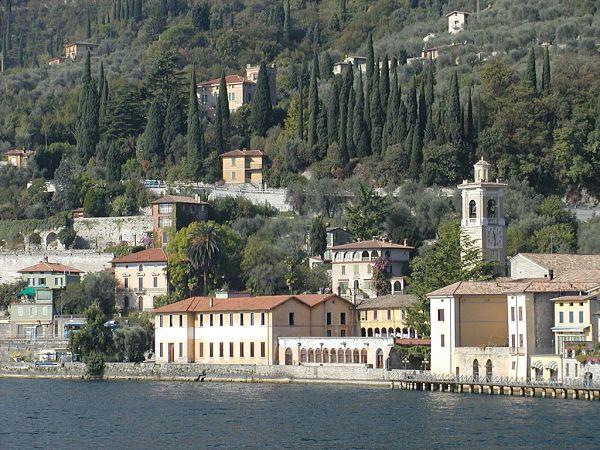
Gargnano, Lake Garda

A virtually lone voice in expressing anti-industrialisation sentiments, he spoke of and bemoaned factories in which he saw men as tigers chained to their machines, much as we might do of offices and computers today.

‘It is horrible to see machines hauled about by tigers’, he wrote of factories visited in England. ‘We have become inhuman and unable to help ourselves. We are but attributes of the great mechanised society, we have created our own way to perfection. And this great mechanised society being selfless, is pitiless. It works on mechanically and destroys us, it is our master and our God’.

On the shores of Lake Garda this man found more than just sunshine. He found himself transported back in time, surrounded by centuries old lemon groves. The village, Gargnano, the Northern most place in Europe capable of all year round lemon growth, had been doing so since legend had it, St Francis brought lemon trees with him on his travels in the 13th century.

Gargnano Lake Garda, Today

Now, the glory days gone,  literally hundreds of limonaie (lemon groves) stood like ghostly ruins all the way from the lake shores, high up into the steep hills above.

‘All summer long, upon the mountain slopes steep by the lake, stand the rows of naked pillars rising out of the green foliage like ruins of temples, white, square pillows of masonry, standing forlorn in their colonnades and squares, rising up the mountainsides here and there, as if they remained from some great race that had once worshipped there.’

These were the lemon groves of Gargnano, today one of the hidden, virtually unknown treasures with which Italy is so blessed and which I urge you to discover. Andrea, who has set up an appreciation society in honour of this man Il Comitato Per Gargano Storico, who first stepped ashore in his village a century ago, acted as my guide for the day.  He talked of how his ten man committee has plans for commemorating the sites this man visited during his roughly three month stay. Ultimately this authors’ experiences in Gargnano formed the basis for his book ‘Twilight in Italy’, by no means his most read, but a work still honoured and loved by all residents of this little Northern village, with so many references to their village and way of life that impressed its author so. Anyone who has done more than scratched the surface of Italian culture should find this a fascinating book with so many passages that could have been written yesterday.

‘His wife disappeared as if dismissed. We must drink…’ he writes after Signor Paoli comes with his wife to fix a door in the part of the house he has rented. ‘Cedro’ is brought out – limoncello, to you and I.

Hero of History, Andrea Creator of The Comitato Per Gargnano Storica

This week marks a small but significant step in the continued, re-vamped and much hoped for future appreciation of this author in Gargnano. The Comitato, headed be Andrea has organised a series of semniars, walks and exhibitions to commemorate, his arrival on Lake Garda exactly one hundred years on.

Also today only one man continues the tradition which once, before the 1860 unification of Italy flooded the Northern European market with cheap Sicilian lemons, brining about the slow decline described in Twilight in Italy, sustained an entire village. Aged 69, this ‘hero of history’ has painstakingly restored a limonaio where he irrigates lemontrees with the incredible 300 litres of water each tree requires every two or three days in traditional fashion. People come from as far as Austria to taste and buy the best limoncello I have tried anywhere in Italy – home made in his lounge, which now looks more like a distillery than a living space.

Beautiful Setting, Gargnano on Lake Garda

What will become of Gargnano and the legacy of this author, if people like this old man and Andrea stop caring? This, is the new tourism in my mind- small, local, but so very real. When our author died in 1930, comments were made, in reference to his most famous work, that he was little more than a pornographer who had wasted his talent. Thankfully, times have changed and popular opinion has since corrected itself, and it only takes a glimpse into the Italy of the past century to realise the genius of this man.

‘The terraces of the garden are held up to the sun, the sun falls upon them, they are like a vessel slanted up to catch the superb, heavy light. Within the walls we are remote, perfect, moving in heavy spring sunshine under the bony avenue of vines.’

At a distance of several hundred miles, yet still in an Italy where traces of its past continue to capture those, like myself, who take the time to discover them, I raise my glass to old man and Andrea and drink the final sips of the delicious lemon liquor from the bottle they presented me with at the end of my visit. When Andrea had to head back to the real world after our three hour stroll round Gargnano I had twenty minutes or so to wait for my bus, so…

‘I sat and looked at the lake. It was beautiful as paradise at the first creation.’
-D.H Lawrence, Twilight in Italy.

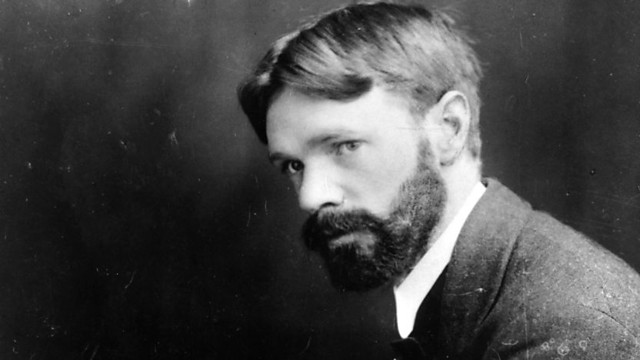
D H Lawrence

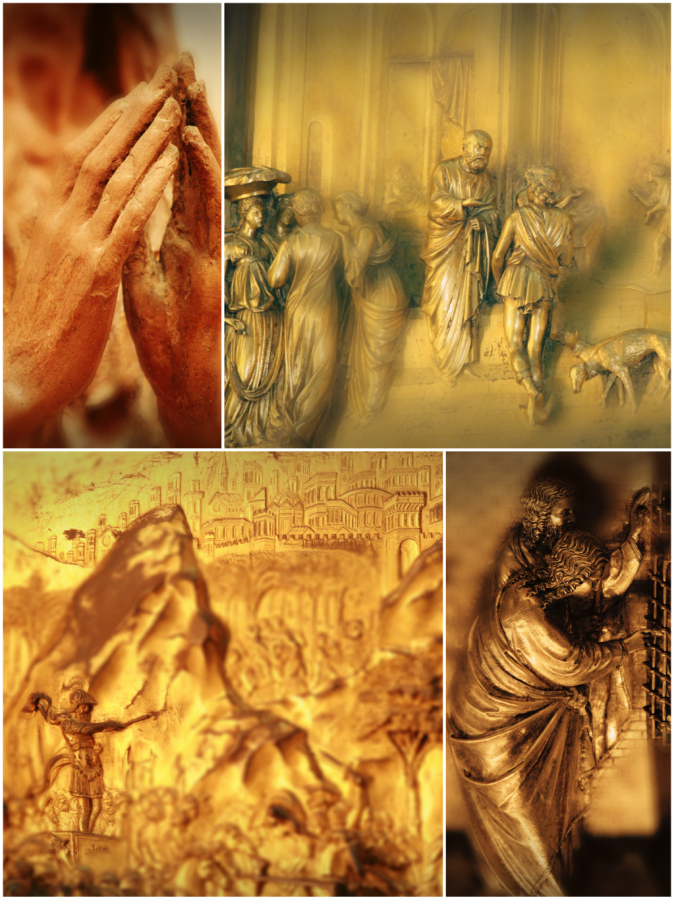
Ghiberti Florence Baptistry Doors Restored – Copies vs Originals

•September 13, 2012 • 2 Comments

‘Non si frigge con l’acqua’ or, translated; ‘We don’t fry with water’, is a Tuscan saying I have heard frequently recently. It is often quoted to me in response to my expressing admiration for something, be it a newly created culinary delight, the efficient organisation of a plan or perhaps even after someone has come up with a particularly cunning plan. In Tuscany, the Italian spiritual home of olive oil, the understanding is that, here one fries with oil as opposed to water, something that doesn’t really achieve a great deal. It is somewhat ironic then that it took until last week, the 8th of September, for the 27 years in waiting, restoration of the Baptistry Doors by the Florentine Renaissance master Lorenzo Ghiberti to be completed. Much of the much needed restoration was caused in fact by water during the famous 1966 floods and one cannot help but wonder, whether in the case of Ghiberti’s doors and the time taken to restore them, the industrious Tuscans, have been frying with it ever since. However, the restoration is complete and the doors, for which Michelangelo so famously coined the nickname ‘The Gates of Paradise’ in reference to their beauty are once more on display in the Museo del Opera, Florence in Florence, Italy.

The doors have been brought back to their 15th C splendour and now beautifully displayed in a weather proof, well lit, easily viewed room in a museum, where they can survive for generations to come. Great news no doubt, but as with much Western art, they are now, though preserved, totally out of context, copies instead hang in their place on the hinges of the bapistry where Ghiberti intended his doors to be seen and serve their purpose. This raises a rather interesting issue – given the chance to see only one – is it in fact better to see the copy? To what extent does this dislocation of art, remove too much of its original meaning. Are we in fact losing a vital dimension in our understanding by this viewing in isolation?

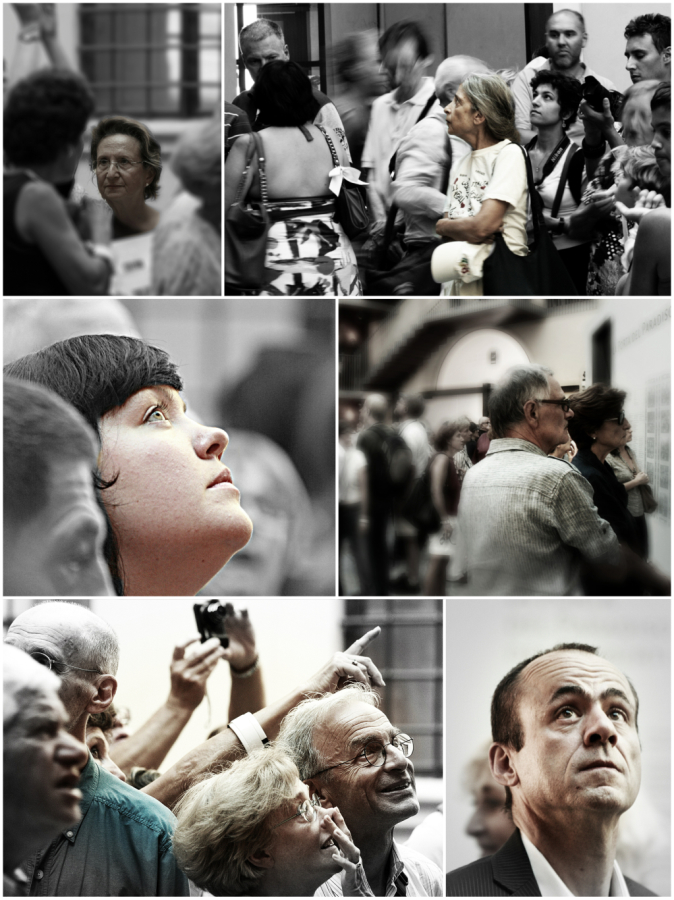
Crowds Admire The Restored Gates of Paradise, Lisa Melani Photos

The Baptistery of San Giovanni (St John the Baptist) has always been crucial to Florentines, who for more than 500 years have honoured their city’s patron saint with a huge party every 24th June. Once its famous doors were virtually seen as the literal gates to heaven – any newborn baby who would die prior to being baptised was said to go straight to purgatory. Lorenzo Ghiberti, after ousting five rivals for the commissioning of the doors, among them Brunelleschi of later dome fame, completed them to much acclaim after 27 years in 1452. As was a tradition of the times, a competition had been launched in order to decide to whom the honour, not to mention, the Florins for the design would go. The commission chose Ghiberti’s ‘fresh’ design over the more traditional, angular, old fashioned Gothic designs of Brunelleschi. Michelangelo, 50 or so years later, gave Ghiberti’s doors his seal of approval when asked to comment, declaring them to be ‘as beautiful as the gates of Paradise themselves’.

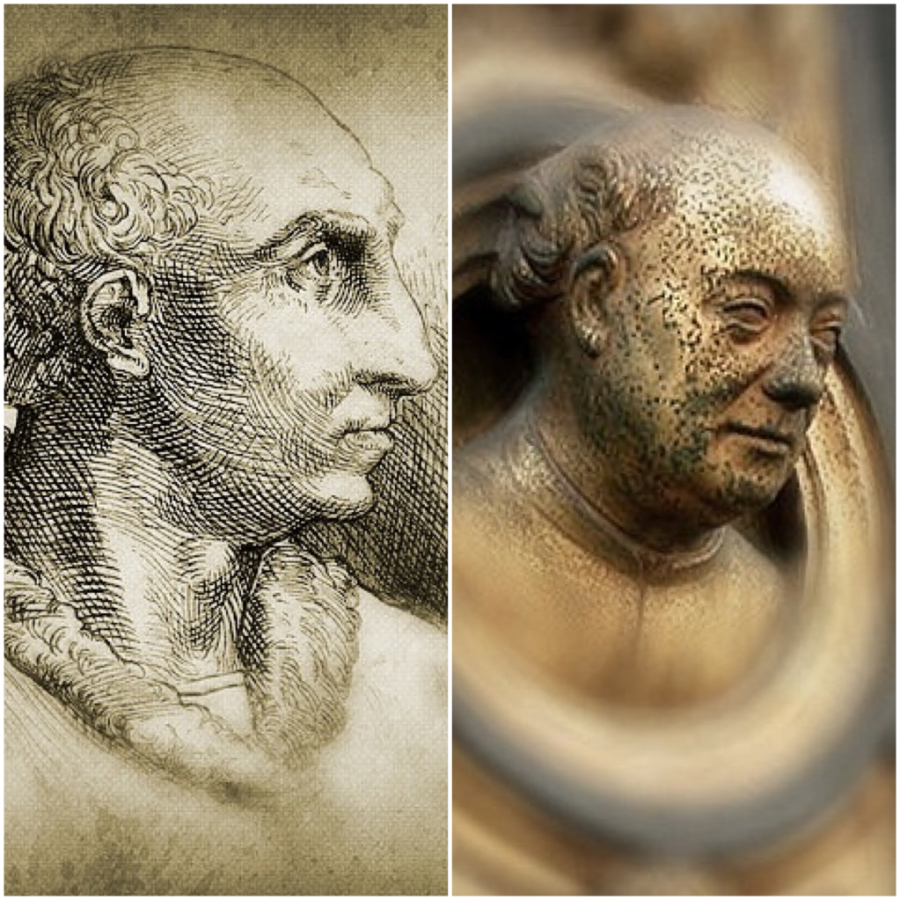
The Master – Lorenzo Ghiberti

Dislocation or not, in fairness the Florentines had no choice but to act, were they to preserve their prized civic treasures. Cristina Acidini, whose seventeen word Italian title losely translates as Responsible for Florentine Heritage, makes it clear that ‘though the doors were admittedly destined for the open air, today they cannot co-exist with this open air’. It is hoped they will be displayed in a specially designed new wing by 2015.

Italy is often described as an open-air museum. Many of its celebrated works of art stand in streets and famous piazzas where they are highly vulnerable, not only to the elements, but also rather more tragically to acts of vandalism. Nowhere is this more so than in Florence, where Michelangelo’s David in its original location as a symbol of civic pride in the main square, was vandalised before being moved in 1873. This however did not prevent further attacks, noticeably in 1995 when, even inside the museum, a toe was hacked off, and where back in the square, only a few years ago a plaque, marking the site of the burning of Savonarola was graffitied with a big black ‘x’. I read a statistic once along the lines of ‘for each of the roughly 60 or so million Italians, there are 3.5 priceless pieces of art’. Who does that sort of math, I don’t know, but, short of placing originals under 24 hour surveillance – which has often been done – measures are required to protect what is after all our common heritage. Measures and money.

Dislocation of Art, No Longer The Door to Paradise? Lisa Melani Photos

But can an ‘isolated’ original, no matter how beautiful, restored and easily visible, re-capture the full meaning of that same original in its intended context? Arthur Danto in his text ‘The Transfiguration of The Commonplace’ speaks of ‘mimemes’ which he coins as a term for anything imitating an original. In this case the bronze doors, copies, though beautiful much-heralded copies, are mimemes of the original. Our judgements of art are influenced to a large extent by the philosophy of Plato (The Allegory of the Cave or The Divided Line) in which anything less than the original, ‘eidos’ will never be more than a resemblance and something of a deception or ‘eikos’. Both would have us value the original always over the copy.

The first comment of my guide and photographer when she saw the doors up close was ‘there is just so much more detail in the original and the copies are considered extremely accurate, but this is so much better’. Well, she is a city guide with an art degree and her joy at seeing them was evident. But to ‘my’ tourists? Will I now start taking them to The Museo del Duomo? Will they want to? I am certain many city guides neglect to inform their groups, for various reasons, as they jostle for position outside the baptistery, that these are in fact copies. And I am equally certain when they are not told, the vast majority do not realise this is the case. Much of our art is placed and viewed totally outside its historical context be it in the Louvre, the Uffizi or the British Museum. I believe this dislocation removes a crucial element from our understanding. When copies are well executed and clearly identified as such, they do have their place unquestionably.

All in The Detail. Lisa Melani Photos

Florence receives an estimated 7 million tourists per year. The most visited of its museums is the famous Renaissance treasure trove, The Uffizi with 1.5 million visitors. I think it’s safe to assume The Accademia, housing the original David comes next, then perhaps the Bargello and Palazzo Pitti on the much less visited, but incredible, South side of the Arno River. Without having the figures to hand it must nonetheless be fewer than one in ten tourists (and I imagine far fewer) who visit the Museum of the Duomo to see the original door bronze panels on display. Therefore, 90 percent of visitors to Florence, surely all of whom at least follow their guide books to the ‘Gates of Paradise,’ are totally satisfied with the ‘copy’ and see no need to fork out the entrance fee for the originals.

The city of Florence, like so many others, has no choice. We have created cities where both our values and air quality no longer permit such treasures as the Ghiberti doors to be on public display in their original location. The long-awaited restoration has saved this masterpiece for future generations at the inevitable cost of removing it from its context. There was a line of people queuing to enter and appreciate the unveiling last week. New life has been breathed into his doors in their new, somewhat sterile setting, but one cannot escape the fact that the doors which once lead to Paradise today lead nowhere. Where do they lead us today is another question. I can’t help but wonder what Ghiberti would make of it all.

Photo Credits: Lisa Melani Photos

July Editorial – Buying a .Com, Cool Free Stuff and Walking to Rome

•June 18, 2012 • 6 Comments
Editorial is perhaps a somewhat presumptuous choice of word for a blog with one sole contributor. However, I can’t think of one better, for describing this shorter piece. It’s been over two years now since from a small island in Thailand I launched 2ndcupoftea, with virtually no idea of what direction it would take and only a vague one of why. The why, was simply that I love writing and wanted to share this with anyone interested enough to read my writings. I’d bought a guide book on how to travel write from which I recall only two pieces of advice; writing is a skill which must be practiced and start a blog to do so. I took both.

Two weeks ago, from a small wifi-abilitated (suddenly crucial) studio apartment near the Fondamente Nove back canals in Venice, I bought the domain name, shedding the rather cumbersome wordpress between the ‘tea’ and the ‘.com’. To anyone but myself it was a publishing event that passed, I believe, entirely unnoticed. Nevertheless for 2ndcupoftea, this represents a new and exciting phase. Followers from day one will…

Continue reading ‘July Editorial – Buying a .Com, Cool Free Stuff and Walking to Rome’

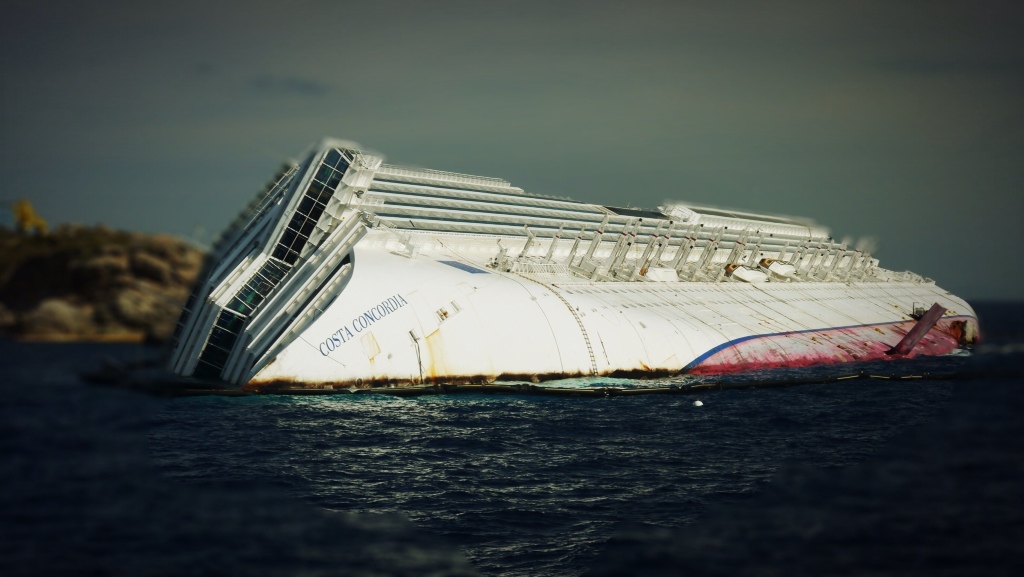
Life After The Concordia, Giglio Island’s Titans Salvaging Tourism

•June 16, 2012 • 1 Comment

“The trip can be extended and the route changed by unanimous vote of the passengers”. Such was the wonderful concluding clause of the official programme of the world’s first cruise which departed Brooklyn, NY in June of 1867. The semantics which separate this from mutiny, usually subject to the most severe of maritime punishments, frankly are beyond me. However, had such a clause been in place when the captain of the Costa Concordia set his course-to-impress from Civitavecchia in Tuscany to Marseilles on the Cote d’Azur on January 13th 2012 the following might have been avoided…

By chance, as most of my travelling seems to be these days, I spent one night on the Tuscan island of Giglio in early June. This was the island Captain Schettino crashed his Costa Cruise Concordia into on January 13th 2012. The ship never used to dock or even tender to the island. However…

Continue reading ‘Life After The Concordia, Giglio Island’s Titans Salvaging Tourism’

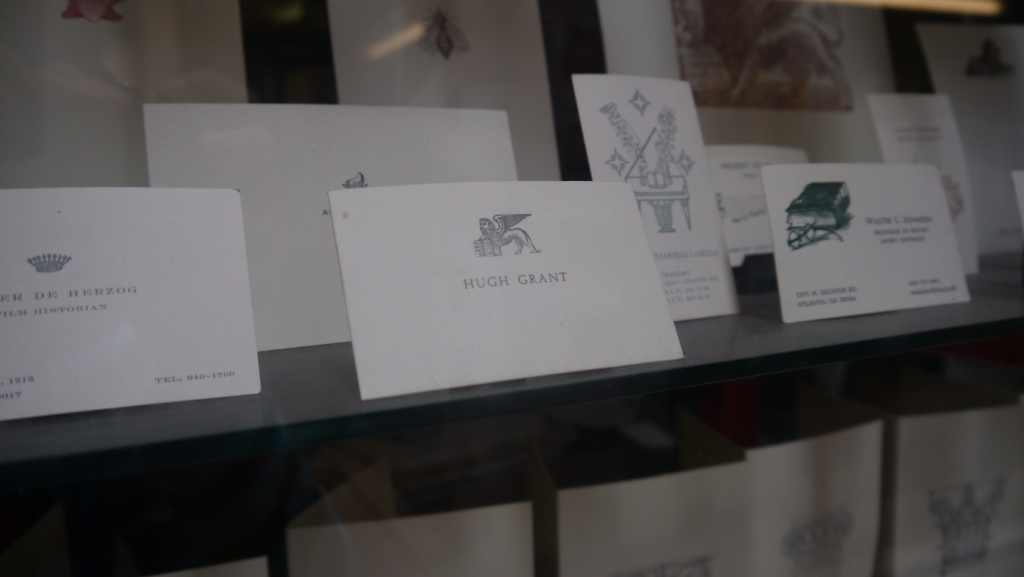
Hugh Grant’s Business Card is Not as Nice as Mine, Printing in Venice

•June 10, 2012 • 5 Comments

I blame Hugh Grant. He is virtually singlehandedly responsible for costing my friend a fair sum today. As a tour guide, often of middle aged American women, his immense appeal has become all too obvious to me. Many a time has it been pointed out to me, probably the second Brit many of them have ever met, that I ‘sound like him’ (yes that would be ‘English’ I explain) but ‘don’t quite look like him’ (and that would be because not every Englishman looks like a Hollywood movie star). And so the comparison ends in disappointment on both parts. I can deal with it. Just. However, watching the pheromones positively ooze off even his personal business card and prompt my young, beautiful, South American travel companion to delve so deep into her pockets, was even by his mesmerising standards, impressive.

For it was nothing less than this, Hugh Grant’s personal business card, his name perfectly placed beneath a proud winged lion of St Mark, displayed for the catching of eagled eyes, that ended up costing her dearly.

Continue reading ‘Hugh Grant’s Business Card is Not as Nice as Mine, Printing in Venice’

Brescia Tourist Bloggers Trip – My Interests Declared

•May 24, 2012 • 5 Comments

Some weeks ago I won the Nigerian lottery. Again. You know the emails. ‘All you have to do is send us your bank details’… That kind of message. They must work I suppose. Someone HAS to reply otherwise they’d presumably stop. But who could be so daft? Well, it wasn’t quite the Nigerian lottery. But, as I sit and blog from the Stansted Express on my way to Brescia, the almost-as-good-win has come as a result of me being that ‘someone who replied’. Now I should quickly add that, although the email I received inviting me on a bloggers trip to Brescia and the surrounding area initially seemed too good to be true, the similarities with the Kenyan lottery end there.

Replying I’d certainly be interested in learning more about this trip. Several things, all of which were unexpected happened; one – I received a reply, two – more details were forthcoming, three – there was someone on the end of the phone when I called and four – the flight I am very early for was paid for by the Brescia Tourist Board. This is a short post. The adventure is to come over the next three days as I am to be whisked round an area I am less than familiar with, the timing of which coincides with an event celebrating Italian lakes called Festival dei Laghi (www.festivaldeilaghi.it).

However, as I believe is the done thing in such cases, I feel compelled to declare my interest in the next couple of blogs. In an, I think, very innovative move, Brescia Tourism have selected eight or so blogs from the Internet, contacted their authors, and put together a blogger trip. In exchange for, what looks an incredible programme including hotels, visits and restaurants, we are to blog. I assume the idea being our posts, in what is the much celebrated centenary year of DH Lawrence’s visit to the area, might persuade our readers to themselves visit one day.

I feel honoured to have been selected. As you know I love my blog and I hope I and it can do justice to this area. For 2ndcupoftea, this is a first, but perhaps a pointer in the future direction. So, look out for the next two blogs. My interests have now been declared, but looking at their website and app (they MUST be ahead of their time), I doubt it will feel too much like work.

Brescia links:

www.bresciatourism.it

http://itunes.apple.com/it/app/bresciatourism/id479250675?mt=8

 
%d bloggers like this: