
‘…and I thought to myself; Oh son you may be lost in more ways than one, but I have a feeling that it is more fun than knowing exactly where you are’. Passenger
Two things inspired me to wander off into the mountains alone and with no real plan for three days. The first was simply the location of my temporary residence; on, or very close to, the ancient pilgrim route the Via Francigena and the Parco dei Cento Laghi in the Italian Apennines, the second was Eric Newby. Until two weeks ago, that name would have meant nothing to me. However thanks to the abandonment of a (hopefully read) book on the shelf, entitled ‘Love and War in the Apennines’ of which the aforementioned is the author, it has become one I will now always associate with the mountain range known as ‘the spine of Italy’.
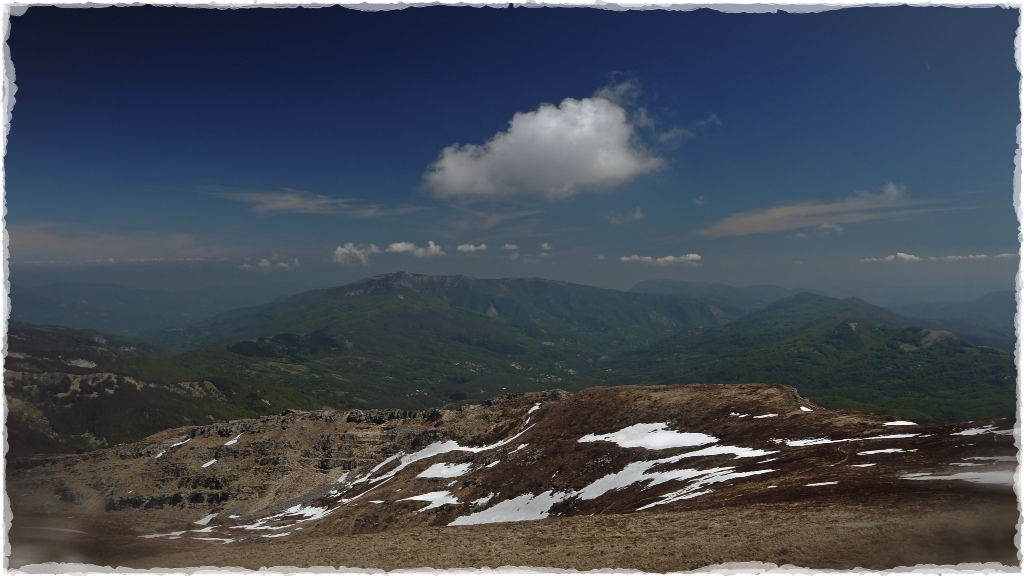
The Via Francigena was already well established before the first millennium and was taken by thousands of pilgrims in the form of, peasants, merchants, clergymen and even nobles. Running from Canterbury in England to Rome in Italy, the ‘road’ once rivalled that of the trail to Santiago de Compostela in terms of numbers of marching feet. Lunching daily on a terrace in Varano in the Lunigiana overlooking the Tosco-Emiliano stretch, for many centuries the easiest and most used route between the heart of Europe and Christian sites, something must have rubbed off on me and inspired an admittedly comparatively brief pilgrimage along some of the paths first trodden by the ‘homo viator’ the Medieval pilgrim. I was to discover that some of these paths might not have been trodden too frequently since.






Your Comments